
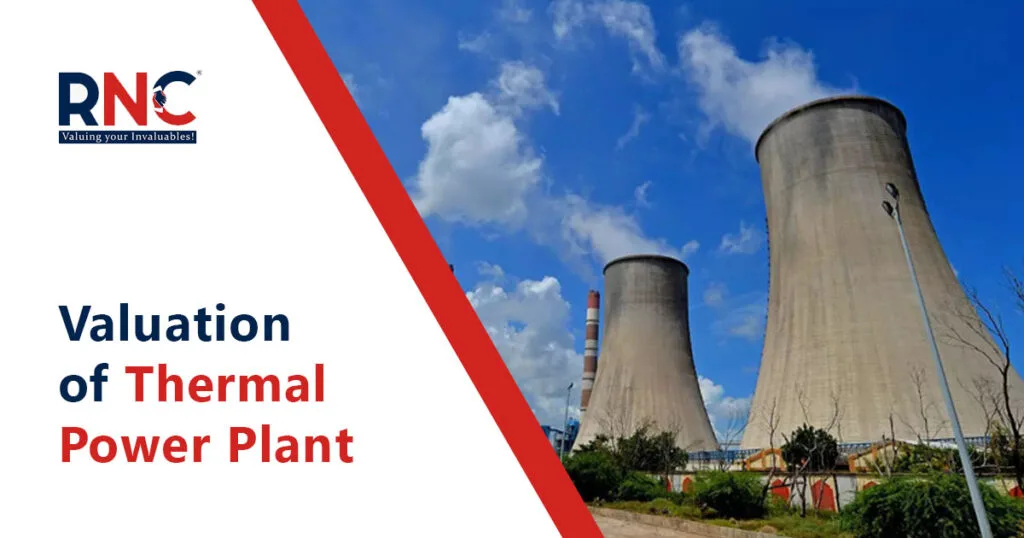
A coal-based thermal power plant in South India entered insolvency after loan defaults. One unit was running and one was unfinished. RNC valued it under two scenarios so lenders could choose between reviving the plant and recovering what they could.
Key points
- The plant had two units: one on the grid, one under construction with no finish date.
- EPC contracts had ended, and there were no power purchase or fuel agreements.
- RNC valued the plant both as a complete going concern and as a hybrid.
- Lenders got a range of values and could choose a full or partial sale.
What was the asset?
The plant was coal-fired, with two power generation units:
- Unit one: running and connected to the grid.
- Unit two: under construction, with no set commissioning date.
It was once a valued part of the regional power supply. Then it ran into financial trouble, which triggered insolvency. Lenders needed a clear, practical valuation to resolve the asset.
What made the valuation hard?
- Expired EPC contracts: every engineering, procurement and construction (EPC) contract had been ended. Nobody was bound to finish the second unit.
- Imported equipment: costly imported machines needed a specialist check of their working state and resale value.
- No power purchase agreements (PPAs): there was no PPA for the finished unit, and none planned for the other. Without PPAs, revenue forecasts were guesswork.
- No completion date: the unfinished unit added doubt and meant more money would be needed.
What reduced the plant's value?
| Factor | What it meant |
|---|---|
| Regulatory risk | Approvals would be needed again after a sale |
| Ended contracts | Fuel, PPA and EPC contracts were all inactive |
| Worn machinery | Ageing assets on site |
| Cost overruns | Project costs had risen |
| No fuel supply agreements | No assured supply of fuel |
Together, these made the plant unattractive as a ready-to-run purchase for many bidders.
How did RNC approach the valuation?
Our guiding principle was to balance a practical valuation with recovery options the market would accept.
Because one unit ran and one did not, and key contracts were missing, we built a two-part strategy. It showed both hopeful and cautious outcomes, and gave lenders realistic choices.
Scenario A: the whole plant as a going concern
We assumed both units would be finished and running. We used:
- DCF analysis with cautious assumptions
- Fallback cases with no fuel contract and no PPA
- An allowance for the capital cost and time needed to finish the plant
Purpose: to attract bidders who wanted to buy and complete the asset.
Scenario B: a hybrid valuation
- Unit one: valued as a going concern, based on its capacity and market potential.
- Unit two: valued piece by piece, based on the salvage value of equipment, how far the civil works had got, and scrap or resale estimates.
Purpose: to get the most for lenders even in a partial sale or liquidation.
What was the outcome?
Lenders received:
- A structured report with a range of values under each scenario
- The freedom to choose between selling all or part of the asset
- The confidence to go ahead with bidding, auction or sale talks
The result was an informed bidding process. It made the asset more attractive and improved recovery.
What can insolvency professionals and lenders learn?
- For stranded infrastructure, always build two models: going concern and asset-based.
- Treat missing PPAs, fuel contracts or EPC contracts as risks that cut value.
- Part-built projects need deeper due diligence and flexible models.
Need an energy or infrastructure asset valued?
Whether the plant is running or in distress, RNC delivers reports that meet insolvency law and the needs of regulators and investors. See our CIRP valuation service or book a consultation.
*Sahil R. Narula is the Managing Partner at RNC, based in Mumbai. He works on project valuation, financial modelling and distressed assets.*
Frequently asked questions
Why value a thermal plant under more than one scenario?+
One unit runs and the other is not finished. A single number hides the choice lenders face. Two cases, one for a going concern and one for recovery, show what each path is worth.
What makes stranded power plants hard to value?+
Three things cut what a buyer will pay: no fuel link or PPA, EPC contracts that have ended, and idle equipment. The valuation has to show each one.
Sources and standards
The regulators and standard setters whose rules apply to this topic. Rules change, so check the current text before relying on it.
- Insolvency and Bankruptcy Board of India (IBBI): Insolvency and Bankruptcy Code, 2016 and CIRP Regulations, 2016
- Ministry of Corporate Affairs: Companies Act, 2013 and Companies (Registered Valuers and Valuation) Rules, 2017
- International Valuation Standards Council: International Valuation Standards (IVS)