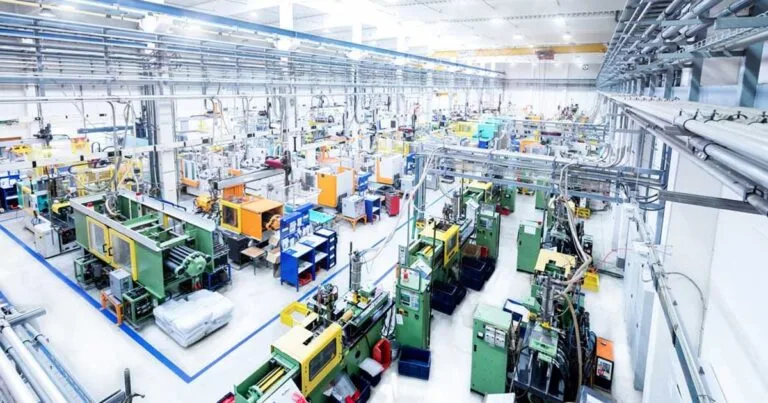
When sanctions close a maker’s key markets, its plant may be left stranded overnight. The valuation asks what the assets can earn with other buyers or uses. It also asks what they would fetch if sold. Creditors get a true fair value and a true liquidation value.
How it usually unfolds
A processor built its business around exports to one region. Sanctions closed that market, cash dried up and the company ended up in CIRP.
We look at whether the plant can serve other markets and what changes that would need. We see which assets could be sold on their own. Stock tied to the lost market is valued at what it can in fact fetch.
Creditors see both what a running business could be worth and the floor value. The real case study below describes the job.
Illustrative scenario drawn from the kinds of mandates RNC handles. It does not describe a specific client. The case study below is a real engagement.
What changes the value
| Decision point | Why it matters |
|---|---|
| Other markets | Sending output elsewhere can save value. |
| Stranded stock | Stock made for one market may sell at a steep discount. |
| Flexible assets | General-purpose equipment holds its value better. |
What to have ready
- Sales history by market
- Plant and equipment details
- Stock list
- Status of customers and contracts