Infrastructure project valuation finds the value of projects and of the firms that build them. A project still being built is valued by a DCF of expected cash flows, less the cost to complete. An EPC company is valued on how it delivers its order book, its margins and its working capital. A stressed project is valued with a completion case and a recovery case.
When does infrastructure & epc need a valuation?
| Trigger | What is needed | Rule or source |
|---|---|---|
| Project loan or refinancing | TEV study; lender’s engineer | Lender rules |
| Stressed project or contractor | Fair value and liquidation value; restructuring values | CIRP Regulations; lender policy |
| Sale of a project or SPV | Enterprise value of the SPV | Transaction |
| Group restructuring | Many firms valued on the same assumptions | Companies Act |
Which valuation method fits?
| Asset or situation | Approach we use |
|---|---|
| Running toll, annuity or lease assets | DCF of cash flows fixed by contract |
| Projects still being built | DCF less the cost to complete, with cases for delay |
| EPC contractors | DCF on order book and margins; market multiples |
| Contractors with a lot of equipment | Plant and machinery at depreciated replacement cost |
How do you value 85+ companies in one group?
For IL&FS we valued more than 85 Indian and overseas group companies and subsidiaries. The hard part was keeping them in step. We used the same assumptions for every firm. The values could then be compared and added up for the resolution process.
What drives an EPC company’s value?
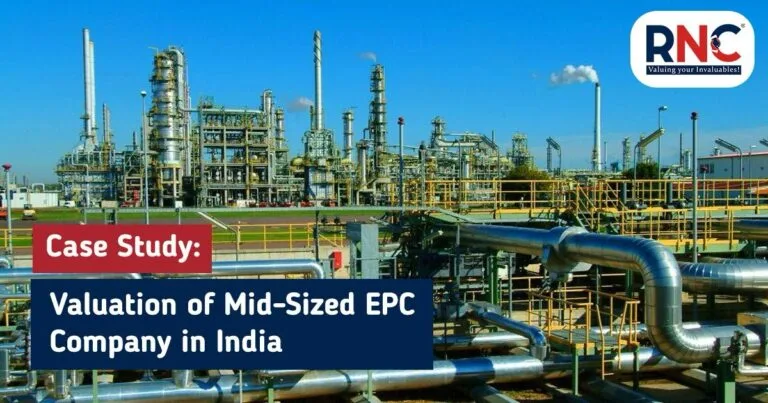
For a mid-sized EPC company, value turned on two things. How much of the order book could it deliver at a profit? And how much working capital would that tie up? A DCF captured this better than book value. Read the case study.
What is an unfinished project worth?
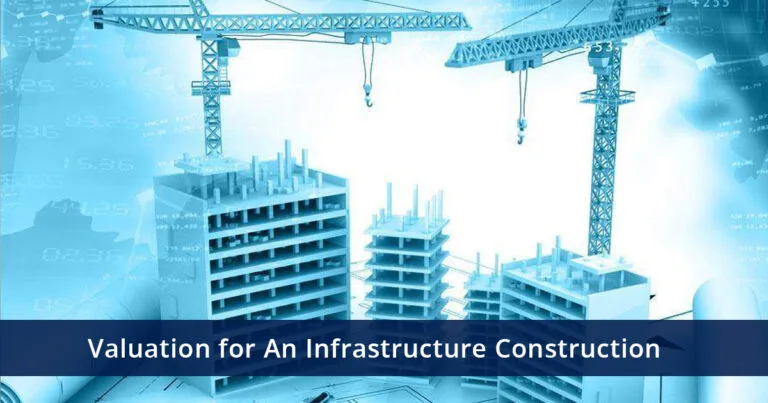
For a commercial project still being built, we discounted the cash flows expected once it is finished. We then took off the cost and time still needed to finish it. The value showed both what the project could earn and the risk of finishing it. Read the case study.
Pitfalls we see most often
- Taking order books at face value. Take out stalled and loss-making contracts.
- Leaving out working capital. EPC companies often use up cash as they grow.
- Setting the cost to complete too low. Delays push costs up.
- Missing claims and arbitration awards. They can be large assets or large debts.