Pharma and chemical company valuation joins two kinds of work. One is a business valuation, using DCF and market multiples. The other is expert asset work. Process plants are valued on depreciated replacement cost. Intangibles are valued with a risk-adjusted DCF. These include product registrations and molecules still in development. Insurance values for these plants must reflect two things. Rebuild costs are high. And the standards are strict.
When does chemicals & pharma need a valuation?
| Trigger | What is needed | Rule or source |
|---|---|---|
| Purchase or sale of a unit | Enterprise value, PPA and technical due diligence | Ind AS 103 |
| Insurance of plants and buildings | Reinstatement value | Policy terms |
| A chemical company goes insolvent | Fair value and liquidation value | CIRP Regulations |
| Licence or transfer of molecules and brands | Intangible valuation | Income-tax, Ind AS 38 |
Which valuation method fits?
| Asset or situation | Approach we use |
|---|---|
| Running pharma business | DCF and market multiples |
| Process and API plants | Depreciated replacement cost, after a site visit by chemical engineers |
| Molecules in development | Risk-adjusted DCF, weighted by the chance of success |
| Brands and registrations | Relief-from-royalty or excess earnings |
How do you value a distressed acid plant?
A well-known acid maker became insolvent. Its value sat in special process plant. Few buyers could run it. Our chemical engineers checked the state of the plant. They also checked how it could be reused. Lenders then knew what a buyer would pay. Read the case study.
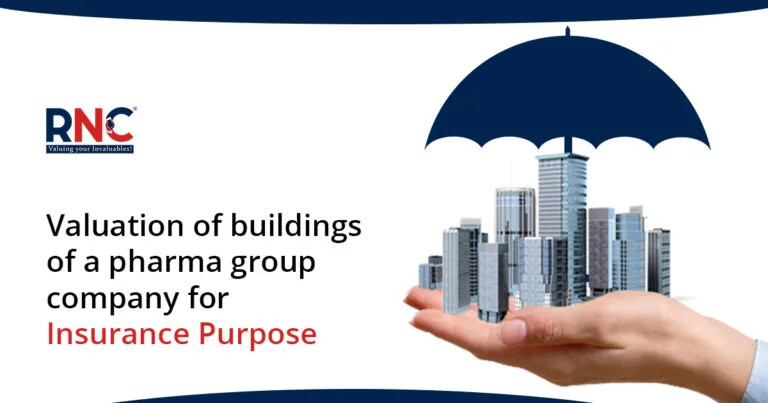
What is a pharma plant’s building worth to its insurer?
For a pharma group we valued buildings for insurance. Clean rooms and strict specs push up the rebuild cost. It is far above that of a normal factory building. Read the case study.
Can a drug that is not yet approved have a value?
Yes. For Unimark Remedies we valued the IP of drugs under development. We weighted the cash flows by the chance that each stage would work.
Pitfalls we see most often
- Valuing clean rooms as normal buildings. The specification drives the cost.
- Leaving out approvals. A plant’s value depends on its approvals and its inspection record.
- Overstating the pipeline. The risk of failure must be shown clearly.
- Missing clean-up liabilities. Most of all in chemical plants.