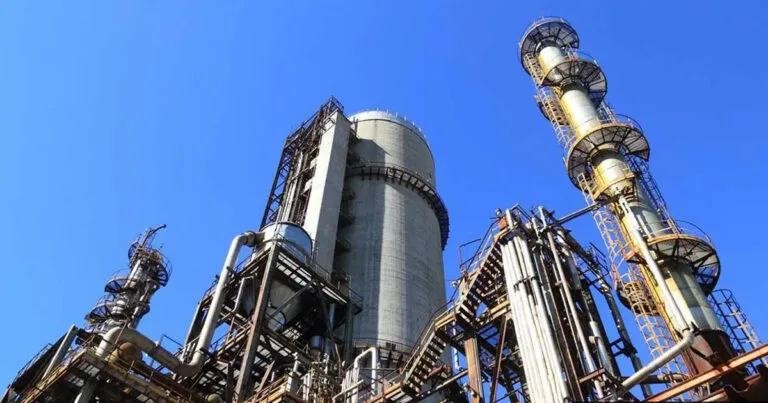
An integrated steel plant in CIRP is valued unit by unit: blast furnace, DRI, steel melt shop, rolling mills and captive power. Then it is valued as a whole. The valuer tests three cases: a restart, a sale as a going concern and a sale in pieces. Time matters, because every idle month eats into value.
How it usually unfolds
The plant has run at a third of capacity for a year. Lenders are owed thousands of crores, and the Resolution Professional has just named the valuers. Everyone asks the same thing. Will a buyer pay for a steel plant, or only for its scrap?
Our engineers walk every unit. One blast furnace is near the end of its campaign life. One rolling mill is in good order. The captive plant only works if the whole complex runs. We check the condition, technology and life left in each before we put a number on it.
Fair value treats the plant as a working complex that a strategic buyer could restart. Liquidation value assumes the units are sold one by one, and fast. The CoC gets both. It also gets the restart costs and timelines that explain the gap.
Illustrative scenario drawn from the kinds of mandates RNC handles. It does not describe a specific client. The case study below is a real engagement.
What changes the value
| Decision point | Why it matters |
|---|---|
| Furnace campaign life | If a relining is due soon, a buyer will take that large cost off the price. |
| Integration | Units that only work as part of the complex lose most of their value when sold alone. |
| Idle time | A long shutdown adds rust and restart costs. Value falls month by month. |
What to have ready
- Asset register and capacity data for each unit
- Furnace campaign and relining history
- Environmental consents, and mining or raw material linkages
- Site access for all units