
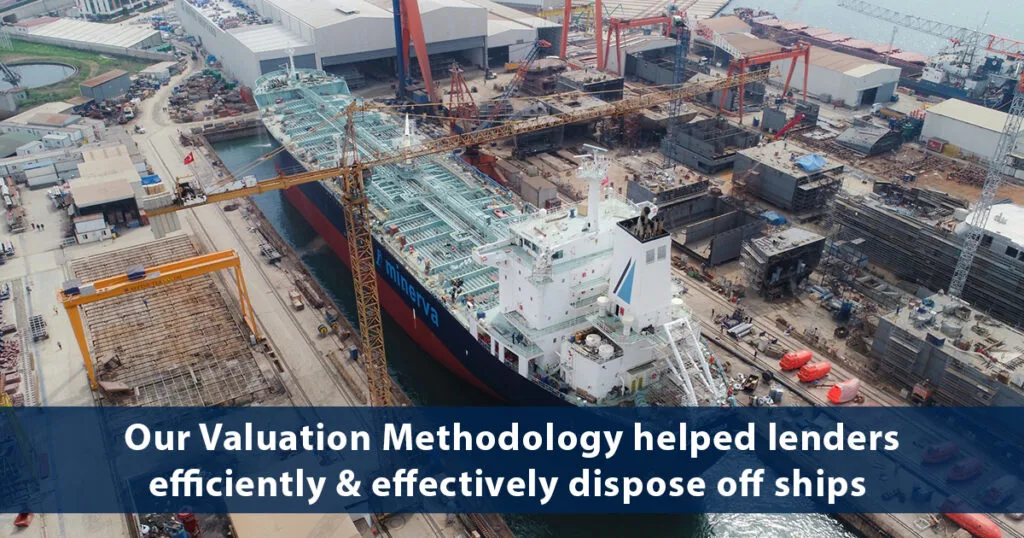
RNC valued a well-known shipyard under the IBC, including many custom-built ships still under construction. Many were made for defence or special uses, so they could not easily be sold to anyone else. We valued them for their lost contract value and, where useful, in pieces. This helped lenders sell the ships well and recover debt, even in a weak economy.
Key points
- The shipyard held many half-built, made-to-order ships.
- Defence ships needed approvals that were unlikely to be granted for outside sale.
- Shipbuilding was in a slump, and buyers were hard to find.
- Valuing ships whole or in pieces gave lenders a practical way to sell.
What was the assignment?
We were asked to value a well-known shipyard under the IBC. As well as plant and machinery, it held many ships still under construction.
Each ship was custom-built for a specific purpose, such as cargo ships, defence patrol vessels and rigs for oil exploration.
What made this valuation hard?
- Some ships were custom-built and high-tech, and needed a statutory licence to build.
- Many were for defence. Selling them to others needed approvals that were unlikely to come.
- The economy was in a slump, especially shipbuilding.
- Any buyer would face statutory approvals, cancelled contracts and invoked bank guarantees.
- Other buyers were hard to find, even for cargo ships.
- The foreign technology tie-up needed renewal.
How did RNC approach it?
The ships would not find ready buyers on the open market. So we chose an approach that would fetch the most value for lenders in practice.
| Approach | How it works |
|---|---|
| Value with impairment | Values each ship allowing for the loss of value, since it cannot go to the original buyer under the original contract |
| Value in pieces | Values the equipment on board, the equipment in stock and the hull separately |
What was the result?
With this clear approach, lenders could decide how best to dispose of the ships and recover their debts, despite the downturn.
Read a similar case: valuation of a pipe-laying barge. For insolvency work, see our CIRP valuation service.
Frequently asked questions
Why are custom-built ships hard to value?+
They are built to order for set uses. So few buyers exist. Some ships also need a licence to finish or to run.
What helped lenders recover more?+
Two things helped: a clear value for each ship, and a way to sell that fit the market at the time.
Sources and standards
The regulators and standard setters whose rules apply to this topic. Rules change, so check the current text before relying on it.